| |

Daily Sex Good for Sperm
 For couples trying to conceive, they should have sex everyday. Aside from the obvious, a new study by Dr. David Greening of Sydney IVF, an Australian center for infertility and in vitro fertilization treatment, says daily sex improves the quality of the sperm. Dr. Greening studied 118 men with above-average damage to their sperm DNA. He found that after they ejaculated for seven consecutive days, the quality of sperm increased--dropping 8 percent in the amount of damaged sperm. His advice for those of you ready to do some baby making? "It seems safe to conclude that couples with relatively normal semen parameters should have sex daily for up to a week before the ovulation date," he says. Labels: health, pregnancy, sex, study
Boredom Can Doom a Marriage
 It's the weekend. Are you doing anything fun with your spouse? Researchers at Stony Brook University in New York have been following 123 couples for 16 years. For all of them it was their first marriage and the average age for the women was 24 and 26 for men. At the seven year mark into their marriage, the researchers asked them to rate their level of boredom in their marriage through a series of questions. The resutls showed that greater boredom in year seven predicted significantly less satisfaction at year 16. Saying as much, researcher Irene Tsapelas and colleagues note that their findings suggest excitement promotes closeness, further promoting satisfaction."If partners experience excitement from other sources (such as novel and challenging activities) in a shared context, this shared experience can reignite relationship passion by associating the excitement with the relationship," the researchers write. Sound familiar? If not, listen to podcast Episode 61 with Dr. Karen Sherman. To read the complete article, click here. Labels: date night, entertainment, real people, study
Big Smiles Equal Happy Marriage
 LiveScience LiveScience reports that researchers studied college yearbook photos rating the smile intensity in pictures from 1 to 10. None of these who had the most intense smiles (fell within the top 10 percent in intensity) had divorced. Conversely, those who fell in the bottom 10 percent of smilers had about a 1 in 4 divorce rate. In a second study, they had people submit their own photos from childhood. Again, the big smilers had about a 1 in 10 divorce rate while over 30 percent of the frowners had been divorced. Overall, the results indicate that people who frown in photos are five times more likely to get a divorce than people who smile. This is a fascinating study, but the researchers say they can't conclude on the correlation between marital success and smiling. How big is the smile in your yearbook? Labels: kids, study
Good Fat Burns More Calories
 Three different studies from researchers in Boston, Finland and the Netherlands all found that there are two types of fat in the adult human body: good fat and bad fat. Think of the good fat as baby fat, which the researchers say is more brownish in color and stored in the neck and collarbone area, while bad fat is more yellow and white-ish and stored near the wasteline. The good fat is believed to spur the body to burn calories to generate body heat (which they previously thought only happened for babies). Because of this finding, scientists believe they may be able to create a pill that stimulates the brown fat to actually burn even more calories and in a sense become a weight loss pill. Here are some other findings about brown fat: Lean people had far more brown fat than overweight and obese people, especially among older folks; brown fat burns far more calories and generates more body heat when people are in a cooler environment; women were more likely to have it than men, and their deposits were larger and more active. Click here to read the entire article.Labels: health, study
More Baby Formula Trouble
 There might still be a battle going on between breast milk and baby formula, but some mothers out there might decide that nature's milk wins by default. After many recent scares about tainted baby formula, there is a new one. A new study from scientists at the Centers for Disease Control and Prevention did a small study of 15 powdered formulas and the scientists found that all were contaminated with perchlorate. Perchlorate is a component of rocket fuel that's linked to thyroid disease. The study did not name the companies it studied, but did reveal that cow's milk formula with lactose had the highest perchlorate levels, compared to formulas that were soy-based, lactose-free or "elemental." Not sure if this will make you feel any better, but the Environmental Working Group found that perchlorate has been found to contaminate the drinking water in 28 states and territories. The baby formula study was conducted with perchlorate-free water. So what's next? This article ( click here) says concerned parents should make sure that their infants have a diet with sufficient iodine, which can counteract perchlorate's harmful effects. They also added that the study didn't actually measure perchlorate in infants and that a study of that nature is essential to determine if infants are actually absorbing the perchlorate to which they're exposed to. Labels: food, parenting, study
Guys, Take This Quick 5 Question Survey
 Hey men, our Twitter friends at Simple Marriage are conducting a survey asking what are the five basic elements to make a marriage survive. The survey is anonymous and takes less than five minutes. So far, over 600 people have taken the survey, but roughly 75 percent of them have been women. I took the survey to try and help level the numbers out--now it's your turn. That doesn't mean that more women aren't needed, but ladies, if you do take it, get your husband to complete the survey as well. It'll be fun for you to share your answers afterward and see if you have the same perspective on making your marriage survive. Click here to take the survey.Labels: men, study
86,000 Trip and Fall Over Pets
 The Centers for Disease Control and Prevention The Centers for Disease Control and Prevention has released a report saying that over 86,000 fall injuries occur from people tripping over their pets. You have to imagine that if this is the reported number, there's probably tens of thousands more that aren't reported. The report says that 88 percent of injuries involved dogs: falling when walking them, tripping over them, getting dragged or pulled down by them, or stumbling on a food dish or toy. For cats, the report suggests that most falls occur when the owners are chasing them (no specifics on why the owners were chasing them). Lastly, women were twice as likely to be injured as men. Growing up with dogs, I have to admit that I too have tripped over a pooch a few times, fortunately never causing any kind of injury. Have you injured yourself tripping over your pet? Willing to share your story? Stay safe out there. Labels: health, pets, study
Can Having a Kid Help Your Marriage?
 The short answer: No. Brian Doss, a professor of psychology and his team at the University of Denver just published their findings in the current "Journal of Personality and Social Psychology." For the study, 218 couples were tracked over an eight-year period, comparing pre-birth and post-birth behavior patterns and how the arrival of the baby directly affected the relationship between the father and mother. Sure, having a baby can bring tremendous joy to a couple's life, but for most couples, Doss found that having a first child resulted in more marital problems. He says in a video that existing problems become exacerbated with the arrival of a new child. The article states that the birth of the first baby was followed by more problems in communication, decreases in couples' confidence that the marriage would last and declines in couples' overall satisfaction with the marriage. A really interesting finding was that mothers who gave birth to girls showed larger drops in marital satisfaction. Doss thinks this may be a result of fewer husbands being involved in the childcare tasks of girls compared to boys. This is obviously not a study that will prevent people from having kids, but for the (hopefully) few couples out there who think having a kid will wash away their existing problems, the Doss's team has determined that a new child would most likely make them worse. Read the complete article here.Labels: kids, parenting, study
Drink With Friends...It's Good for You
 Nearly 20,000 Japanese men were asked about their alcohol consumption and drinking environment over the span of more than 9 years by researchers from Osaka University. What these Japanese researchers found was that light to moderat drinking aligned with reduced risks of stroke and heart disease, and the effect was more pronounced in men with high levels of social support. One researcher believe the social support prevented unhealthy behaviors and enhancement of stress buffering. Moderate consumption was rated as less than 299 grams per week. Over 300 grams was shown to increase the risk of a stroke. Another interesting tidbit was that heavy drinkers were also more likely to not be married! So grab your spouse, find some friends and enjoy some moderate drinking. Cheers! Labels: food, health, men, study
Drink With Friends...It's Good for You
Nearly 20,000 Japanese men were asked about their alcohol consumption and drinking environment over the span of more than 9 years by researchers from Osaka University. What these Japanese researchers found was that light to moderat drinking aligned with reduced risks of stroke and heart disease, and the effect was more pronounced in men with high levels of social support. One researcher believe the social support prevented unhealthy behaviors and enhancement of stress buffering. Moderate consumption was rated as less than 299 grams per week. Over 300 grams was shown to increase the risk of a stroke. Another interesting tidbit was that heavy drinkers were also more likely to not be married! So grab your spouse, find some friends and enjoy some moderate drinking. Cheers! Labels: food, health, men, study
Drink With Friends...It's Good for You
Nearly 20,000 Japanese men were asked about their alcohol consumption and drinking environment over the span of more than 9 years by researchers from Osaka University. What these Japanese researchers found was that light to moderat drinking aligned with reduced risks of stroke and heart disease, and the effect was more pronounced in men with high levels of social support. One researcher believe the social support prevented unhealthy behaviors and enhancement of stress buffering. Moderate consumption was rated as less than 299 grams per week. Over 300 grams was shown to increase the risk of a stroke. Another interesting tidbit was that heavy drinkers were also more likely to not be married! So grab your spouse, find some friends and enjoy some moderate drinking. Cheers! Labels: food, health, men, study
Sex Patch for Women Doesn't Work
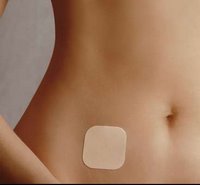 Procter & Gamble has created a patch called Intrinsa that increases testosterone levels in women. The patches were denied use in the U.S. back in 2004, but have been used in London. A review released on Tuesday found that the patches appear to not do much to boost a woman's sex drive after menopause and their long-term safety is unclear. The trials were conducted on 4,000 women and only lasted for six months, which is why long-term effects are still unknown. Some women did report small improvements in their sex drive, but so did others who were recieving a placebo. I guess to boost the sex drive it's back to Marvin Gaye. Click here to read the complete article.Labels: health, sex, study, women
Sex Patch for Women Doesn't Work
Procter & Gamble has created a patch called Intrinsa that increases testosterone levels in women. The patches were denied use in the U.S. back in 2004, but have been used in London. A review released on Tuesday found that the patches appear to not do much to boost a woman's sex drive after menopause and their long-term safety is unclear. The trials were conducted on 4,000 women and only lasted for six months, which is why long-term effects are still unknown. Some women did report small improvements in their sex drive, but so did others who were recieving a placebo. I guess to boost the sex drive it's back to Marvin Gaye. Click here to read the complete article.Labels: health, sex, study, women
Sex Patch for Women Doesn't Work
Procter & Gamble has created a patch called Intrinsa that increases testosterone levels in women. The patches were denied use in the U.S. back in 2004, but have been used in London. A review released on Tuesday found that the patches appear to not do much to boost a woman's sex drive after menopause and their long-term safety is unclear. The trials were conducted on 4,000 women and only lasted for six months, which is why long-term effects are still unknown. Some women did report small improvements in their sex drive, but so did others who were recieving a placebo. I guess to boost the sex drive it's back to Marvin Gaye. Click here to read the complete article.Labels: health, sex, study, women
Beauty Really is in the Eye of the Beholder
 New research shows that men process beauty on the right side of their brains, while women use their whole brain to do the job. Furthermore, when women consider a visual object they link it to language while men concentrate on the spatial aspects of the object. What's interesting is that while beauty truly is in the eye of the beholder, and beauty is processed differently based on gender, researchers who published these new findings say gender has nothing to do with what people find beautiful. While they're not sure, they conclude people may find beauty in different things based on age, education or some other factor. To read the entire article, click here.Labels: men, study, women
Beauty Really is in the Eye of the Beholder
New research shows that men process beauty on the right side of their brains, while women use their whole brain to do the job. Furthermore, when women consider a visual object they link it to language while men concentrate on the spatial aspects of the object. What's interesting is that while beauty truly is in the eye of the beholder, and beauty is processed differently based on gender, researchers who published these new findings say gender has nothing to do with what people find beautiful. While they're not sure, they conclude people may find beauty in different things based on age, education or some other factor. To read the entire article, click here.Labels: men, study, women
Beauty Really is in the Eye of the Beholder
New research shows that men process beauty on the right side of their brains, while women use their whole brain to do the job. Furthermore, when women consider a visual object they link it to language while men concentrate on the spatial aspects of the object. What's interesting is that while beauty truly is in the eye of the beholder, and beauty is processed differently based on gender, researchers who published these new findings say gender has nothing to do with what people find beautiful. While they're not sure, they conclude people may find beauty in different things based on age, education or some other factor. To read the entire article, click here.Labels: men, study, women
VDay on the Cheap
 Consulting firm Brand Keys found that Americans will spend an average of 15 percent less this Valentine's Day than they did last year. BIGresearch for the National Retail Federation, found that consumers plan to spend an average of $102.50 on Valentine's Day this year, down from $122.98 last year. This article from MSNBC says this is the first dip in spending in eight years. The article says individuals should expect just a card instead of a gift card. The beauty of this drop is that it will help many couples refocus the importance of the holiday to love, not money or gifts. Do you plan on cutting back? Are you going to visit a cheaper restaurant instead of your usual favorite? If you have any cheap ideas, please share. Labels: date night, holidays, romance, study
VDay on the Cheap
Consulting firm Brand Keys found that Americans will spend an average of 15 percent less this Valentine's Day than they did last year. BIGresearch for the National Retail Federation, found that consumers plan to spend an average of $102.50 on Valentine's Day this year, down from $122.98 last year. This article from MSNBC says this is the first dip in spending in eight years. The article says individuals should expect just a card instead of a gift card. The beauty of this drop is that it will help many couples refocus the importance of the holiday to love, not money or gifts. Do you plan on cutting back? Are you going to visit a cheaper restaurant instead of your usual favorite? If you have any cheap ideas, please share. Labels: date night, holidays, romance, study
VDay on the Cheap
Consulting firm Brand Keys found that Americans will spend an average of 15 percent less this Valentine's Day than they did last year. BIGresearch for the National Retail Federation, found that consumers plan to spend an average of $102.50 on Valentine's Day this year, down from $122.98 last year. This article from MSNBC says this is the first dip in spending in eight years. The article says individuals should expect just a card instead of a gift card. The beauty of this drop is that it will help many couples refocus the importance of the holiday to love, not money or gifts. Do you plan on cutting back? Are you going to visit a cheaper restaurant instead of your usual favorite? If you have any cheap ideas, please share. Labels: date night, holidays, romance, study
Scientific Facts About Love
 With Valentine's Day just around the corner, we thought this article on the science of love was timely and interesting. It's from Happen magazine and it offers 10 "crazy" facts. For example, being in love drops the serotonin levels in the brain, which can lead people to obsess about their lover. Another items suggests that their may be a "right" way to kiss. People are more likely to tilt their heads to the right when kissing instead of left, says a report published recently in the journal Nature. A scientist from Ruhr University in Germany analyzed 124 pairs of smoochers and found that 65 percent go toward the right. Perhaps most interesting is a study from the Twin Research Unit at St. Thomas' Hospital, London. The study says that if one twin exhibits infidelity, the other twin strays 55% of the time. In the general population, the number is 23%. Click here to read the full article. Labels: health, romance, study
Scientific Facts About Love
With Valentine's Day just around the corner, we thought this article on the science of love was timely and interesting. It's from Happen magazine and it offers 10 "crazy" facts. For example, being in love drops the serotonin levels in the brain, which can lead people to obsess about their lover. Another items suggests that their may be a "right" way to kiss. People are more likely to tilt their heads to the right when kissing instead of left, says a report published recently in the journal Nature. A scientist from Ruhr University in Germany analyzed 124 pairs of smoochers and found that 65 percent go toward the right. Perhaps most interesting is a study from the Twin Research Unit at St. Thomas' Hospital, London. The study says that if one twin exhibits infidelity, the other twin strays 55% of the time. In the general population, the number is 23%. Click here to read the full article. Labels: health, romance, study
Scientific Facts About Love
With Valentine's Day just around the corner, we thought this article on the science of love was timely and interesting. It's from Happen magazine and it offers 10 "crazy" facts. For example, being in love drops the serotonin levels in the brain, which can lead people to obsess about their lover. Another items suggests that their may be a "right" way to kiss. People are more likely to tilt their heads to the right when kissing instead of left, says a report published recently in the journal Nature. A scientist from Ruhr University in Germany analyzed 124 pairs of smoochers and found that 65 percent go toward the right. Perhaps most interesting is a study from the Twin Research Unit at St. Thomas' Hospital, London. The study says that if one twin exhibits infidelity, the other twin strays 55% of the time. In the general population, the number is 23%. Click here to read the full article. Labels: health, romance, study
Nearly Half Want to Move
 In new survey by a Pew Research Center found that nearly half of Americans want to live elsewhere. The survey was survey conducted over the telephone in October with 2,260 adults and reveals some really interesting tidbits. For example, more Americans would rather live in a place with more McDonald's than Starbucks. Furthermore, affluent adults are twice as likely as poorer individuals to want to live in Boston. The survey also helped identify where some of these people would prefer living and not live. The survey found that men in rural areas are far happier living there than women. But the city isn't for everyone either. Fewer than half of all city residents say there is no better place to live than in a city, and adults 50 to 64 who live in cities are the least likely to say they live in the ideal place. So where does everyone want to go? The survey says...Denver, followed by San Diego and Seattle. Are you happy where you live? Labels: study, travel
Nearly Half Want to Move
In new survey by a Pew Research Center found that nearly half of Americans want to live elsewhere. The survey was survey conducted over the telephone in October with 2,260 adults and reveals some really interesting tidbits. For example, more Americans would rather live in a place with more McDonald's than Starbucks. Furthermore, affluent adults are twice as likely as poorer individuals to want to live in Boston. The survey also helped identify where some of these people would prefer living and not live. The survey found that men in rural areas are far happier living there than women. But the city isn't for everyone either. Fewer than half of all city residents say there is no better place to live than in a city, and adults 50 to 64 who live in cities are the least likely to say they live in the ideal place. So where does everyone want to go? The survey says...Denver, followed by San Diego and Seattle. Are you happy where you live? Labels: study, travel
Nearly Half Want to Move
In new survey by a Pew Research Center found that nearly half of Americans want to live elsewhere. The survey was survey conducted over the telephone in October with 2,260 adults and reveals some really interesting tidbits. For example, more Americans would rather live in a place with more McDonald's than Starbucks. Furthermore, affluent adults are twice as likely as poorer individuals to want to live in Boston. The survey also helped identify where some of these people would prefer living and not live. The survey found that men in rural areas are far happier living there than women. But the city isn't for everyone either. Fewer than half of all city residents say there is no better place to live than in a city, and adults 50 to 64 who live in cities are the least likely to say they live in the ideal place. So where does everyone want to go? The survey says...Denver, followed by San Diego and Seattle. Are you happy where you live? Labels: study, travel
More Tickets During Recession
 It's not just businesses and household income that hurts during a recession, local government also feels the pinch. So it's no surprise that when economist Thomas A. Garrett conducted a study to find out if traffic tickets were purely dished out for public safety that he found the number of tickets cited go up significantly when local government revenue falls. In short, when there's a 1 percentage point drop in local government revenue there's roughly a .32 percentage point increase in the number of traffic tickets in the following year. What's interesting is that according to Garrett, the number of tickets does not go back down when good times return. Garrett says the increase makes sense as it's an appealing way to generate revenue, particularly during a time when raising taxes is not an option. Furthermore, Garrett does say that the tickets being handed out are at their heart for public safety reasons, but doesn't believe many cities go out of their way to make a point to write more tickets. However, this article from the St. Louis Post-Dispatch references a 2004 investigative piece where top police officials in the town of Bel-Ridge, MO threatened officers if they didn't write more tickets. Have you received a traffic ticket lately? Did you deserve it? Noticed more police patrolling the streets? Let us know. Labels: news, study
More Tickets During Recession
It's not just businesses and household income that hurts during a recession, local government also feels the pinch. So it's no surprise that when economist Thomas A. Garrett conducted a study to find out if traffic tickets were purely dished out for public safety that he found the number of tickets cited go up significantly when local government revenue falls. In short, when there's a 1 percentage point drop in local government revenue there's roughly a .32 percentage point increase in the number of traffic tickets in the following year. What's interesting is that according to Garrett, the number of tickets does not go back down when good times return. Garrett says the increase makes sense as it's an appealing way to generate revenue, particularly during a time when raising taxes is not an option. Furthermore, Garrett does say that the tickets being handed out are at their heart for public safety reasons, but doesn't believe many cities go out of their way to make a point to write more tickets. However, this article from the St. Louis Post-Dispatch references a 2004 investigative piece where top police officials in the town of Bel-Ridge, MO threatened officers if they didn't write more tickets. Have you received a traffic ticket lately? Did you deserve it? Noticed more police patrolling the streets? Let us know. Labels: news, study
More Tickets During Recession
It's not just businesses and household income that hurts during a recession, local government also feels the pinch. So it's no surprise that when economist Thomas A. Garrett conducted a study to find out if traffic tickets were purely dished out for public safety that he found the number of tickets cited go up significantly when local government revenue falls. In short, when there's a 1 percentage point drop in local government revenue there's roughly a .32 percentage point increase in the number of traffic tickets in the following year. What's interesting is that according to Garrett, the number of tickets does not go back down when good times return. Garrett says the increase makes sense as it's an appealing way to generate revenue, particularly during a time when raising taxes is not an option. Furthermore, Garrett does say that the tickets being handed out are at their heart for public safety reasons, but doesn't believe many cities go out of their way to make a point to write more tickets. However, this article from the St. Louis Post-Dispatch references a 2004 investigative piece where top police officials in the town of Bel-Ridge, MO threatened officers if they didn't write more tickets. Have you received a traffic ticket lately? Did you deserve it? Noticed more police patrolling the streets? Let us know. Labels: news, study
Racial Medicine
-754025.jpg) Do drugs respond differently to people of different races? There was a case of a drug called BiDil, which the FDA approved in 2005 to treat heart failure in blacks. The drug worked for African Americans but not other ethnic groups. This has raised the question of developing drugs for racial groups, which becomes a genetic difference not just a social category--and beyond skin color. This article from Newsweek suggests that maybe the touchy subject is the reason that only 3 percent of the patients who might benefit from BiDil were actually getting it. It seems clear, however, that humans can expect more drugs in the future to be designed not just for their race, but their own individual genetics. Because as it's pointed out in the article, identifying yourself as an African American, while may be accurate, doesn't mean you have the same ancestry (one could be from Kenya or South Africa or a mix of many nations and heritages). What do you think? Labels: commentary, health, news, study
Racial Medicine
Do drugs respond differently to people of different races? There was a case of a drug called BiDil, which the FDA approved in 2005 to treat heart failure in blacks. The drug worked for African Americans but not other ethnic groups. This has raised the question of developing drugs for racial groups, which becomes a genetic difference not just a social category--and beyond skin color. This article from Newsweek suggests that maybe the touchy subject is the reason that only 3 percent of the patients who might benefit from BiDil were actually getting it. It seems clear, however, that humans can expect more drugs in the future to be designed not just for their race, but their own individual genetics. Because as it's pointed out in the article, identifying yourself as an African American, while may be accurate, doesn't mean you have the same ancestry (one could be from Kenya or South Africa or a mix of many nations and heritages). What do you think? Labels: commentary, health, news, study
Racial Medicine
Do drugs respond differently to people of different races? There was a case of a drug called BiDil, which the FDA approved in 2005 to treat heart failure in blacks. The drug worked for African Americans but not other ethnic groups. This has raised the question of developing drugs for racial groups, which becomes a genetic difference not just a social category--and beyond skin color. This article from Newsweek suggests that maybe the touchy subject is the reason that only 3 percent of the patients who might benefit from BiDil were actually getting it. It seems clear, however, that humans can expect more drugs in the future to be designed not just for their race, but their own individual genetics. Because as it's pointed out in the article, identifying yourself as an African American, while may be accurate, doesn't mean you have the same ancestry (one could be from Kenya or South Africa or a mix of many nations and heritages). What do you think? Labels: commentary, health, news, study
Socioemotional Meanings In Sweat
 A new study from Rice University says socioemotional meanings, including sexual ones, are conveyed in human sweat and that women are able to smell and recognize them. That essentially means that humans can communicate through smell, much like animals do. The press release says, "Denise Chen, assistant professor of psychology at Rice, looked at how the brains of female volunteers processed and encoded the smell of sexual sweat from men. The results of the experiment indicated the brain recognizes chemosensory communication, including human sexual sweat." The release goes on to say, "Nineteen healthy female subjects inhaled olfactory stimuli from four sources, one of which was sweat gathered from sexually aroused males. The research showed that several parts of the brain are involved in processing the emotional value of the olfactory information." This kind of report doesn't seem all that surprising, but since this is weight loss season it makes you want to keep your spouse at home instead of watching them head off to the gym. Labels: commentary, men, sex, study, women
Socioemotional Meanings In Sweat
A new study from Rice University says socioemotional meanings, including sexual ones, are conveyed in human sweat and that women are able to smell and recognize them. That essentially means that humans can communicate through smell, much like animals do. The press release says, "Denise Chen, assistant professor of psychology at Rice, looked at how the brains of female volunteers processed and encoded the smell of sexual sweat from men. The results of the experiment indicated the brain recognizes chemosensory communication, including human sexual sweat." The release goes on to say, "Nineteen healthy female subjects inhaled olfactory stimuli from four sources, one of which was sweat gathered from sexually aroused males. The research showed that several parts of the brain are involved in processing the emotional value of the olfactory information." This kind of report doesn't seem all that surprising, but since this is weight loss season it makes you want to keep your spouse at home instead of watching them head off to the gym. Labels: commentary, men, sex, study, women
Socioemotional Meanings In Sweat
A new study from Rice University says socioemotional meanings, including sexual ones, are conveyed in human sweat and that women are able to smell and recognize them. That essentially means that humans can communicate through smell, much like animals do. The press release says, "Denise Chen, assistant professor of psychology at Rice, looked at how the brains of female volunteers processed and encoded the smell of sexual sweat from men. The results of the experiment indicated the brain recognizes chemosensory communication, including human sexual sweat." The release goes on to say, "Nineteen healthy female subjects inhaled olfactory stimuli from four sources, one of which was sweat gathered from sexually aroused males. The research showed that several parts of the brain are involved in processing the emotional value of the olfactory information." This kind of report doesn't seem all that surprising, but since this is weight loss season it makes you want to keep your spouse at home instead of watching them head off to the gym. Labels: commentary, men, sex, study, women
Medical Myths
 Your kid eating sugar will make them hyper, right? Not so says British medical journal BMJ. They say that there is no scientific evidence to support this myth and that some of it is even psychological for the parents. The journal said that when parent were told their kids had sugary drinks, they rated that they were more hyper, even though the drinks were sugar free. Other myths include the one that poinsettias are poisonous, suicides increase during the holidays, eating at night makes you fat, you lose the most body heat through your head, and that their are cures for hangovers. To read the full article with explanations on these myths, click here. So go ahead and eat up at night with that sugary dessert, but don't drink too much because there's no cure in the morning. Happy holidays! Labels: food, health, holidays, kids, study
Medical Myths
Your kid eating sugar will make them hyper, right? Not so says British medical journal BMJ. They say that there is no scientific evidence to support this myth and that some of it is even psychological for the parents. The journal said that when parent were told their kids had sugary drinks, they rated that they were more hyper, even though the drinks were sugar free. Other myths include the one that poinsettias are poisonous, suicides increase during the holidays, eating at night makes you fat, you lose the most body heat through your head, and that their are cures for hangovers. To read the full article with explanations on these myths, click here. So go ahead and eat up at night with that sugary dessert, but don't drink too much because there's no cure in the morning. Happy holidays! Labels: food, health, holidays, kids, study
Medical Myths
Your kid eating sugar will make them hyper, right? Not so says British medical journal BMJ. They say that there is no scientific evidence to support this myth and that some of it is even psychological for the parents. The journal said that when parent were told their kids had sugary drinks, they rated that they were more hyper, even though the drinks were sugar free. Other myths include the one that poinsettias are poisonous, suicides increase during the holidays, eating at night makes you fat, you lose the most body heat through your head, and that their are cures for hangovers. To read the full article with explanations on these myths, click here. So go ahead and eat up at night with that sugary dessert, but don't drink too much because there's no cure in the morning. Happy holidays! Labels: food, health, holidays, kids, study
Relieve Stress With Sex
 This isn't new, but Self magazine recently published an article stating that sex relieves stress among other things. "Being in an intimate relationship correlates to healing faster, getting sick less often and living longer," says James Coan, Ph.D., professor of psychology at the University of Virginia in Charlottesville. "Good relationships offset tension in daily life." The article further says that anxiety spikes blood pressure, which hobbles the immune system. "But when you have sex, you release feel-good hormones, including oxytocin and endorphins," Coan adds. So do you need sex to relieve stress? Nope. At least according to Coan's research. Coan says kissing, hugging, cuddling and holding hands will help relieve stress. To read the complete article click here. Labels: health, sex, study
Relieve Stress With Sex
This isn't new, but Self magazine recently published an article stating that sex relieves stress among other things. "Being in an intimate relationship correlates to healing faster, getting sick less often and living longer," says James Coan, Ph.D., professor of psychology at the University of Virginia in Charlottesville. "Good relationships offset tension in daily life." The article further says that anxiety spikes blood pressure, which hobbles the immune system. "But when you have sex, you release feel-good hormones, including oxytocin and endorphins," Coan adds. So do you need sex to relieve stress? Nope. At least according to Coan's research. Coan says kissing, hugging, cuddling and holding hands will help relieve stress. To read the complete article click here. Labels: health, sex, study
Relieve Stress With Sex
This isn't new, but Self magazine recently published an article stating that sex relieves stress among other things. "Being in an intimate relationship correlates to healing faster, getting sick less often and living longer," says James Coan, Ph.D., professor of psychology at the University of Virginia in Charlottesville. "Good relationships offset tension in daily life." The article further says that anxiety spikes blood pressure, which hobbles the immune system. "But when you have sex, you release feel-good hormones, including oxytocin and endorphins," Coan adds. So do you need sex to relieve stress? Nope. At least according to Coan's research. Coan says kissing, hugging, cuddling and holding hands will help relieve stress. To read the complete article click here. Labels: health, sex, study
Vermont: Healthiest State in America
 Hitched is headquartered in California. You know, the land of yoga, no smoking, and sunny out-door activity all year round. So some might find it surprising that California isn't in the top five ranking of the healthiest states in America. It's more shocking for many that it ranked all the way down at 24, according to the United Health Foundation. The rankings take many different factors into consideration including prevalence of smoking, drinking, obesity, infectious disease, air pollution, public health funding, immunization coverage and many other factors. The top five healthiest states are: Vermont, Hawaii, New Hampshire, Minnesota and Utah. The worst state is Louisiana. Click here to find out where your state ranks.Labels: health, study
Vermont: Healthiest State in America
Hitched is headquartered in California. You know, the land of yoga, no smoking, and sunny out-door activity all year round. So some might find it surprising that California isn't in the top five ranking of the healthiest states in America. It's more shocking for many that it ranked all the way down at 24, according to the United Health Foundation. The rankings take many different factors into consideration including prevalence of smoking, drinking, obesity, infectious disease, air pollution, public health funding, immunization coverage and many other factors. The top five healthiest states are: Vermont, Hawaii, New Hampshire, Minnesota and Utah. The worst state is Louisiana. Click here to find out where your state ranks.Labels: health, study
Vermont: Healthiest State in America
Hitched is headquartered in California. You know, the land of yoga, no smoking, and sunny out-door activity all year round. So some might find it surprising that California isn't in the top five ranking of the healthiest states in America. It's more shocking for many that it ranked all the way down at 24, according to the United Health Foundation. The rankings take many different factors into consideration including prevalence of smoking, drinking, obesity, infectious disease, air pollution, public health funding, immunization coverage and many other factors. The top five healthiest states are: Vermont, Hawaii, New Hampshire, Minnesota and Utah. The worst state is Louisiana. Click here to find out where your state ranks.Labels: health, study
Avoiding Your In-Laws Could Hurt Your Marriage
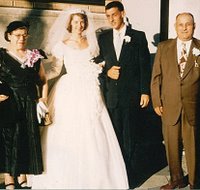 If you're having a difficult time getting your spouse over to your parents house, you now have scientific data on your side. University of Denver associate professor Mary Claire Morr Serewicz spent six years researching family issues and found that in-law relations can represent 43 percent of a couple's satisfaction in their marriage. One highlight mentioned in this post on the Seattle Post-Intelligencer says that gossiping about other family members with the new son- or daughter-in-law in the room may make them feel more included, but also have them wondering what you say about them when they leave the room. Ultimately, it has a negative affect. How would your grade your relationship with your in-laws? Do you find that your in-law grade coincides with your current marital satisfaction? Talk about it on our message boards. Labels: in-laws, study
Avoiding Your In-Laws Could Hurt Your Marriage
If you're having a difficult time getting your spouse over to your parents house, you now have scientific data on your side. University of Denver associate professor Mary Claire Morr Serewicz spent six years researching family issues and found that in-law relations can represent 43 percent of a couple's satisfaction in their marriage. One highlight mentioned in this post on the Seattle Post-Intelligencer says that gossiping about other family members with the new son- or daughter-in-law in the room may make them feel more included, but also have them wondering what you say about them when they leave the room. Ultimately, it has a negative affect. How would your grade your relationship with your in-laws? Do you find that your in-law grade coincides with your current marital satisfaction? Talk about it on our message boards. Labels: in-laws, study
Avoiding Your In-Laws Could Hurt Your Marriage
If you're having a difficult time getting your spouse over to your parents house, you now have scientific data on your side. University of Denver associate professor Mary Claire Morr Serewicz spent six years researching family issues and found that in-law relations can represent 43 percent of a couple's satisfaction in their marriage. One highlight mentioned in this post on the Seattle Post-Intelligencer says that gossiping about other family members with the new son- or daughter-in-law in the room may make them feel more included, but also have them wondering what you say about them when they leave the room. Ultimately, it has a negative affect. How would your grade your relationship with your in-laws? Do you find that your in-law grade coincides with your current marital satisfaction? Talk about it on our message boards. Labels: in-laws, study
12 Days of Christmas Costs $86,609
 Every year PNC Wealth Management compiles a "Christmas Price Index," which rings up the total costs from the first day of Christmas's partridge in a pear tree to the 12 drummers drumming, purchased repeatedly as the song suggests. Last year, the total was was $78,100. This year the total jumped 10.9 percent to $86,609, an increase of $8,508. Interestingly, the five gold rings is down to $350 from $395 last year and many of the birds are cheaper (french hens, turtle doves, geese a-laying). This seems like just good holiday fodder, but these prices are a telling barometer of our current economic conditions. For example, gasoline increases have driven up shipping costs resulting in the pear tree price increase of $5. The aforementioned bird drops reflect the decrease in food prices. While the increase in the price of "swans a swimming" reflect in the pricing increase of luxury items. Click here to read the full article, including how to purchase these items on the cheap (Riverdance DVD instead of "lords a-leaping". Here's a breakdown of the costs and their comparison to last year: Partridge, $20 (last year: $15) Pear Tree, $200 (last year: $150) Two Turtle Doves, $55 (last year: $40) Three French Hens, $30 (last year: $45) Four Calling Birds (canaries), $600 (last year: same) Five Gold Rings, $350 (last year: $395) Six Geese a-Laying, $240 (last year: $360) Seven Swans a-Swimming, $5,600 (last year: $4,200) Eight Maids a-Milking, $52 (last year: $47) Nine Ladies Dancing (per performance), $4,759 (last year: same) 10 Lords a-Leaping (per performance), $4,414 (last year: $4,285) 11 Pipers Piping (per performance), $2,285 (last year: $2,213) 12 Drummers Drumming (per performance), $2,475 (last year: $2,398) Labels: entertainment, holidays, money, study
12 Days of Christmas Costs $86,609
Every year PNC Wealth Management compiles a "Christmas Price Index," which rings up the total costs from the first day of Christmas's partridge in a pear tree to the 12 drummers drumming, purchased repeatedly as the song suggests. Last year, the total was was $78,100. This year the total jumped 10.9 percent to $86,609, an increase of $8,508. Interestingly, the five gold rings is down to $350 from $395 last year and many of the birds are cheaper (french hens, turtle doves, geese a-laying). This seems like just good holiday fodder, but these prices are a telling barometer of our current economic conditions. For example, gasoline increases have driven up shipping costs resulting in the pear tree price increase of $5. The aforementioned bird drops reflect the decrease in food prices. While the increase in the price of "swans a swimming" reflect in the pricing increase of luxury items. Click here to read the full article, including how to purchase these items on the cheap (Riverdance DVD instead of "lords a-leaping". Here's a breakdown of the costs and their comparison to last year: Partridge, $20 (last year: $15) Pear Tree, $200 (last year: $150) Two Turtle Doves, $55 (last year: $40) Three French Hens, $30 (last year: $45) Four Calling Birds (canaries), $600 (last year: same) Five Gold Rings, $350 (last year: $395) Six Geese a-Laying, $240 (last year: $360) Seven Swans a-Swimming, $5,600 (last year: $4,200) Eight Maids a-Milking, $52 (last year: $47) Nine Ladies Dancing (per performance), $4,759 (last year: same) 10 Lords a-Leaping (per performance), $4,414 (last year: $4,285) 11 Pipers Piping (per performance), $2,285 (last year: $2,213) 12 Drummers Drumming (per performance), $2,475 (last year: $2,398) Labels: entertainment, holidays, money, study
12 Days of Christmas Costs $86,609
Every year PNC Wealth Management compiles a "Christmas Price Index," which rings up the total costs from the first day of Christmas's partridge in a pear tree to the 12 drummers drumming, purchased repeatedly as the song suggests. Last year, the total was was $78,100. This year the total jumped 10.9 percent to $86,609, an increase of $8,508. Interestingly, the five gold rings is down to $350 from $395 last year and many of the birds are cheaper (french hens, turtle doves, geese a-laying). This seems like just good holiday fodder, but these prices are a telling barometer of our current economic conditions. For example, gasoline increases have driven up shipping costs resulting in the pear tree price increase of $5. The aforementioned bird drops reflect the decrease in food prices. While the increase in the price of "swans a swimming" reflect in the pricing increase of luxury items. Click here to read the full article, including how to purchase these items on the cheap (Riverdance DVD instead of "lords a-leaping". Here's a breakdown of the costs and their comparison to last year: Partridge, $20 (last year: $15) Pear Tree, $200 (last year: $150) Two Turtle Doves, $55 (last year: $40) Three French Hens, $30 (last year: $45) Four Calling Birds (canaries), $600 (last year: same) Five Gold Rings, $350 (last year: $395) Six Geese a-Laying, $240 (last year: $360) Seven Swans a-Swimming, $5,600 (last year: $4,200) Eight Maids a-Milking, $52 (last year: $47) Nine Ladies Dancing (per performance), $4,759 (last year: same) 10 Lords a-Leaping (per performance), $4,414 (last year: $4,285) 11 Pipers Piping (per performance), $2,285 (last year: $2,213) 12 Drummers Drumming (per performance), $2,475 (last year: $2,398) Labels: entertainment, holidays, money, study
Most Dangerous Holiday Traffic Day
 The most dangerous holiday to drive is New Year's Eve, right? Wrong! According to the National Highway Traffic Safety Administration the most dangerous holiday to take to the road is Thanksgiving. So be sure to drive safe this week. It seems that Thanksgiving is a perfect storm of event: long distance travel, packed roads, long days of drinking wine and beer, sleepy drivers from the turkey and general stress. Independence Day is the second most dangerous day, followed by Memorial Day and Labor Day. New Year's Eve doesn't show up until number five. The best advice they recommend is to stay home, which isn't an option or most, or to fly. If you must drive, then wear a seatbelt, make a plan for getting home if you're going to be drinking and don't speed. Labels: advice, health, holidays, study
Most Dangerous Holiday Traffic Day
The most dangerous holiday to drive is New Year's Eve, right? Wrong! According to the National Highway Traffic Safety Administration the most dangerous holiday to take to the road is Thanksgiving. So be sure to drive safe this week. It seems that Thanksgiving is a perfect storm of event: long distance travel, packed roads, long days of drinking wine and beer, sleepy drivers from the turkey and general stress. Independence Day is the second most dangerous day, followed by Memorial Day and Labor Day. New Year's Eve doesn't show up until number five. The best advice they recommend is to stay home, which isn't an option or most, or to fly. If you must drive, then wear a seatbelt, make a plan for getting home if you're going to be drinking and don't speed. Labels: advice, health, holidays, study
Most Dangerous Holiday Traffic Day
The most dangerous holiday to drive is New Year's Eve, right? Wrong! According to the National Highway Traffic Safety Administration the most dangerous holiday to take to the road is Thanksgiving. So be sure to drive safe this week. It seems that Thanksgiving is a perfect storm of event: long distance travel, packed roads, long days of drinking wine and beer, sleepy drivers from the turkey and general stress. Independence Day is the second most dangerous day, followed by Memorial Day and Labor Day. New Year's Eve doesn't show up until number five. The best advice they recommend is to stay home, which isn't an option or most, or to fly. If you must drive, then wear a seatbelt, make a plan for getting home if you're going to be drinking and don't speed. Labels: advice, health, holidays, study
Bad Economy = Fewer Divorces
 It seems that when the screws are tightened during a bad economy, couples find a way to stay together or at least postpone divorce. Gary Nickelson, president of the American Academy of Matrimonial Lawyers (AAML) says, "Many individuals tend to employ a wait-and-see strategy during a troubled marriage and are very well prepared when it comes time to file for divorce. A sudden drop in net worth can effectively postpone this final decision from being made." The AAML conducted a survey and found that 37% of AAML members said they typically see a decrease in the number of divorce cases during national economic downturns, 19% experienced an increase. I guess we'll take any bright spot we can with the awful economy. Labels: news, study, trend
Bad Economy = Fewer Divorces
It seems that when the screws are tightened during a bad economy, couples find a way to stay together or at least postpone divorce. Gary Nickelson, president of the American Academy of Matrimonial Lawyers (AAML) says, "Many individuals tend to employ a wait-and-see strategy during a troubled marriage and are very well prepared when it comes time to file for divorce. A sudden drop in net worth can effectively postpone this final decision from being made." The AAML conducted a survey and found that 37% of AAML members said they typically see a decrease in the number of divorce cases during national economic downturns, 19% experienced an increase. I guess we'll take any bright spot we can with the awful economy. Labels: news, study, trend
Bad Economy = Fewer Divorces
It seems that when the screws are tightened during a bad economy, couples find a way to stay together or at least postpone divorce. Gary Nickelson, president of the American Academy of Matrimonial Lawyers (AAML) says, "Many individuals tend to employ a wait-and-see strategy during a troubled marriage and are very well prepared when it comes time to file for divorce. A sudden drop in net worth can effectively postpone this final decision from being made." The AAML conducted a survey and found that 37% of AAML members said they typically see a decrease in the number of divorce cases during national economic downturns, 19% experienced an increase. I guess we'll take any bright spot we can with the awful economy. Labels: news, study, trend
Science: You Can't Fake Romance
 The jokes of older married couples having or showing no romantic connection to one another is tired and boring. Fortunately, there's a new study that proves otherwise. Functional MRIs were taken of 10 married men and women who had been married for an average of 21 years. They were then shown pictures of their spouse and the brain waves reacted, showing a calm and attachment, with a view of their partner as central to their lives, and who they continue to want connection and engagement and maintain a sexual liveliness. It's about time we start looking at our own brain images instead of the trite marriage references we often see in TV, movies and elsewhere. Click here to read the complete article.Labels: real people, romance, study
Science: You Can't Fake Romance
The jokes of older married couples having or showing no romantic connection to one another is tired and boring. Fortunately, there's a new study that proves otherwise. Functional MRIs were taken of 10 married men and women who had been married for an average of 21 years. They were then shown pictures of their spouse and the brain waves reacted, showing a calm and attachment, with a view of their partner as central to their lives, and who they continue to want connection and engagement and maintain a sexual liveliness. It's about time we start looking at our own brain images instead of the trite marriage references we often see in TV, movies and elsewhere. Click here to read the complete article.Labels: real people, romance, study
Science: You Can't Fake Romance
The jokes of older married couples having or showing no romantic connection to one another is tired and boring. Fortunately, there's a new study that proves otherwise. Functional MRIs were taken of 10 married men and women who had been married for an average of 21 years. They were then shown pictures of their spouse and the brain waves reacted, showing a calm and attachment, with a view of their partner as central to their lives, and who they continue to want connection and engagement and maintain a sexual liveliness. It's about time we start looking at our own brain images instead of the trite marriage references we often see in TV, movies and elsewhere. Click here to read the complete article.Labels: real people, romance, study
Best Places to Raise Your Kids
 BusinessWeek has put together a list of the best places to raise your kids in 2009 based on the towns having at least 50,000 residents and a median family income between $40,000 and $100,000. The list then took into consideration the following: school performance; number of schools; household expenditures; crime rates; air quality; job growth; family income; museums, parks, theaters, and other amenities; and diversity. These are weighted so school performance, for example, is worth the most in their ranking. The list is broken down by state and doesn't compare state to state. So in California, where Hitched is headquartered, Arcadia ranks No. 1, while Diamond Bar and Monterey Park are runners up. In Colorado, the No. 1 spot belongs to Fort Collins. In Delaware, it's Wilmington. In Nevada, Paradise ranks No. 1 (sounds good, huh?). And in South Dakota it's Sioux Falls. To read the complete list, click here. Are you happy with the present location you're at for raising your kids? Labels: family, kids, study
Best Places to Raise Your Kids
BusinessWeek has put together a list of the best places to raise your kids in 2009 based on the towns having at least 50,000 residents and a median family income between $40,000 and $100,000. The list then took into consideration the following: school performance; number of schools; household expenditures; crime rates; air quality; job growth; family income; museums, parks, theaters, and other amenities; and diversity. These are weighted so school performance, for example, is worth the most in their ranking. The list is broken down by state and doesn't compare state to state. So in California, where Hitched is headquartered, Arcadia ranks No. 1, while Diamond Bar and Monterey Park are runners up. In Colorado, the No. 1 spot belongs to Fort Collins. In Delaware, it's Wilmington. In Nevada, Paradise ranks No. 1 (sounds good, huh?). And in South Dakota it's Sioux Falls. To read the complete list, click here. Are you happy with the present location you're at for raising your kids? Labels: family, kids, study
Best Places to Raise Your Kids
BusinessWeek has put together a list of the best places to raise your kids in 2009 based on the towns having at least 50,000 residents and a median family income between $40,000 and $100,000. The list then took into consideration the following: school performance; number of schools; household expenditures; crime rates; air quality; job growth; family income; museums, parks, theaters, and other amenities; and diversity. These are weighted so school performance, for example, is worth the most in their ranking. The list is broken down by state and doesn't compare state to state. So in California, where Hitched is headquartered, Arcadia ranks No. 1, while Diamond Bar and Monterey Park are runners up. In Colorado, the No. 1 spot belongs to Fort Collins. In Delaware, it's Wilmington. In Nevada, Paradise ranks No. 1 (sounds good, huh?). And in South Dakota it's Sioux Falls. To read the complete list, click here. Are you happy with the present location you're at for raising your kids? Labels: family, kids, study
Alzheimer's and Parkinson's Linked to Environmental Threats
 A new report by the Greater Boston Physicians for Social Responsibility and the Science and Environmental Health Network says that environmental factors such as lead, air pollution, and pesticides can lead to health risks and cognitive disease. Co-author of the repot, Jill Stein, MD says, "As we explored origins and patterns of chronic degenerative diseases, we discovered a web of conditions in the environment--including nutritional, chemical, physical and social factors--that have a direct influence on the risk of Alzheimer's, Parkinson's and related chronic diseases. It is clear from these findings that our activities in the areas of food and agriculture, energy, chemical use, and social organization are key drivers in the abnormal loss of neurological function in older people throughout the modern world." In diet, saturated fat intake was found to greatly increase the risk of dementia. What's frightening is that the report suggests these diseases are being driven by dramatic alterations over the past 50 to 100 years in the U.S. food supply, an increasingly sedentary lifestyle, and exposure to toxic chemicals. Labels: food, health, study
Alzheimer's and Parkinson's Linked to Environmental Threats
A new report by the Greater Boston Physicians for Social Responsibility and the Science and Environmental Health Network says that environmental factors such as lead, air pollution, and pesticides can lead to health risks and cognitive disease. Co-author of the repot, Jill Stein, MD says, "As we explored origins and patterns of chronic degenerative diseases, we discovered a web of conditions in the environment--including nutritional, chemical, physical and social factors--that have a direct influence on the risk of Alzheimer's, Parkinson's and related chronic diseases. It is clear from these findings that our activities in the areas of food and agriculture, energy, chemical use, and social organization are key drivers in the abnormal loss of neurological function in older people throughout the modern world." In diet, saturated fat intake was found to greatly increase the risk of dementia. What's frightening is that the report suggests these diseases are being driven by dramatic alterations over the past 50 to 100 years in the U.S. food supply, an increasingly sedentary lifestyle, and exposure to toxic chemicals. Labels: food, health, study
Alzheimer's and Parkinson's Linked to Environmental Threats
A new report by the Greater Boston Physicians for Social Responsibility and the Science and Environmental Health Network says that environmental factors such as lead, air pollution, and pesticides can lead to health risks and cognitive disease. Co-author of the repot, Jill Stein, MD says, "As we explored origins and patterns of chronic degenerative diseases, we discovered a web of conditions in the environment--including nutritional, chemical, physical and social factors--that have a direct influence on the risk of Alzheimer's, Parkinson's and related chronic diseases. It is clear from these findings that our activities in the areas of food and agriculture, energy, chemical use, and social organization are key drivers in the abnormal loss of neurological function in older people throughout the modern world." In diet, saturated fat intake was found to greatly increase the risk of dementia. What's frightening is that the report suggests these diseases are being driven by dramatic alterations over the past 50 to 100 years in the U.S. food supply, an increasingly sedentary lifestyle, and exposure to toxic chemicals. Labels: food, health, study
Stay Married and Kids Less Likely to be Thieves
 In an interesting project called Mapping America by the Family Research Council, it reports that family structure has a direct impact on the likelihood of adolescents stealing. The study says 13 percent of children who live in an intact married family admit to having stolen at least $50 worth of goods. The number jumps to 19 percent of children whose parents never married or are divorced have stolen as much, and again jumps to 20 percent of those living with a step-parent. The number of adolescents who steal drops to 15 percent of those living with cohabiting biological parents, and jumps up again to 23 percent of those living with one cohabiting biological parent. It good that adolescents of married couples steal less, but doesn't it seem like 13 percent is high! That means if you walk down the street in your neighborhood, more than one in every 10 homes would have a real thief on their hands. We can do better than that. Not to mention these are just the kids who actually admitted to stealing. Yikes!! Labels: kids, parenting, study
Stay Married and Kids Less Likely to be Thieves
In an interesting project called Mapping America by the Family Research Council, it reports that family structure has a direct impact on the likelihood of adolescents stealing. The study says 13 percent of children who live in an intact married family admit to having stolen at least $50 worth of goods. The number jumps to 19 percent of children whose parents never married or are divorced have stolen as much, and again jumps to 20 percent of those living with a step-parent. The number of adolescents who steal drops to 15 percent of those living with cohabiting biological parents, and jumps up again to 23 percent of those living with one cohabiting biological parent. It good that adolescents of married couples steal less, but doesn't it seem like 13 percent is high! That means if you walk down the street in your neighborhood, more than one in every 10 homes would have a real thief on their hands. We can do better than that. Not to mention these are just the kids who actually admitted to stealing. Yikes!! Labels: kids, parenting, study
Stay Married and Kids Less Likely to be Thieves
In an interesting project called Mapping America by the Family Research Council, it reports that family structure has a direct impact on the likelihood of adolescents stealing. The study says 13 percent of children who live in an intact married family admit to having stolen at least $50 worth of goods. The number jumps to 19 percent of children whose parents never married or are divorced have stolen as much, and again jumps to 20 percent of those living with a step-parent. The number of adolescents who steal drops to 15 percent of those living with cohabiting biological parents, and jumps up again to 23 percent of those living with one cohabiting biological parent. It good that adolescents of married couples steal less, but doesn't it seem like 13 percent is high! That means if you walk down the street in your neighborhood, more than one in every 10 homes would have a real thief on their hands. We can do better than that. Not to mention these are just the kids who actually admitted to stealing. Yikes!! Labels: kids, parenting, study
Cell Phones and Internet Strengthen Family
 It may seem like your kids texting away on their cell phones or keeping their eyes glued to online videos is tearing down the strength and tradition of family, but it's not. Well, tradition yes, but not strength. In a survey published by the Pew Internet and American Life Project, 25 percent of adults said cellphones and online communication made their families closer while 11 percent said that the technology had a negative effect. Overall, 47 percent of adults said cellphones and the Internet had improved the quality of family communication. One of the authors said the parents like the new communication tools because they know what each other is doing during the day. All of you parents out there can be thankful that your parents didn't text you throughout the day, keeping tabs. Do you keep tabs on your kid(s) throughout the day by internet or cell phone? Labels: kids, parenting, study, technology
Cell Phones and Internet Strengthen Family
It may seem like your kids texting away on their cell phones or keeping their eyes glued to online videos is tearing down the strength and tradition of family, but it's not. Well, tradition yes, but not strength. In a survey published by the Pew Internet and American Life Project, 25 percent of adults said cellphones and online communication made their families closer while 11 percent said that the technology had a negative effect. Overall, 47 percent of adults said cellphones and the Internet had improved the quality of family communication. One of the authors said the parents like the new communication tools because they know what each other is doing during the day. All of you parents out there can be thankful that your parents didn't text you throughout the day, keeping tabs. Do you keep tabs on your kid(s) throughout the day by internet or cell phone? Labels: kids, parenting, study, technology
Cell Phones and Internet Strengthen Family
It may seem like your kids texting away on their cell phones or keeping their eyes glued to online videos is tearing down the strength and tradition of family, but it's not. Well, tradition yes, but not strength. In a survey published by the Pew Internet and American Life Project, 25 percent of adults said cellphones and online communication made their families closer while 11 percent said that the technology had a negative effect. Overall, 47 percent of adults said cellphones and the Internet had improved the quality of family communication. One of the authors said the parents like the new communication tools because they know what each other is doing during the day. All of you parents out there can be thankful that your parents didn't text you throughout the day, keeping tabs. Do you keep tabs on your kid(s) throughout the day by internet or cell phone? Labels: kids, parenting, study, technology
ADHD Kids Strain Marriages
 It's not surprising that kids can affect and put strain on a marriage, but this stat is high. According to a study by State University of New York-Buffalo, parents of children with attention-deficit hyperactivity disorder (ADHD) are almost twice as likely as other parents to divorce by the time their child is 8 years old. The authors of the study say, however, that if you and your spouse can survive the eighth birthday, the rate of divorce stops climbing. Further adding to the stress is the fact that ADHD is hereditary and mothers with ADHD children are are 24 times more likely than other mothers to have it while fathers are five times more likely. Meaning, while trying to deal with a child, one of the parents is very likely to also have ADHD, which can be a point of conflict on its own. Some good news came out of this article from USA Today, researchers in Canada found no difference in divorce rate of parents with ADHD children. Do you have a child who's been diagnosed with ADHD; and has that affected your marriage? Labels: advice, health, kids, parenting, study
ADHD Kids Strain Marriages
It's not surprising that kids can affect and put strain on a marriage, but this stat is high. According to a study by State University of New York-Buffalo, parents of children with attention-deficit hyperactivity disorder (ADHD) are almost twice as likely as other parents to divorce by the time their child is 8 years old. The authors of the study say, however, that if you and your spouse can survive the eighth birthday, the rate of divorce stops climbing. Further adding to the stress is the fact that ADHD is hereditary and mothers with ADHD children are are 24 times more likely than other mothers to have it while fathers are five times more likely. Meaning, while trying to deal with a child, one of the parents is very likely to also have ADHD, which can be a point of conflict on its own. Some good news came out of this article from USA Today, researchers in Canada found no difference in divorce rate of parents with ADHD children. Do you have a child who's been diagnosed with ADHD; and has that affected your marriage? Labels: advice, health, kids, parenting, study
ADHD Kids Strain Marriages
It's not surprising that kids can affect and put strain on a marriage, but this stat is high. According to a study by State University of New York-Buffalo, parents of children with attention-deficit hyperactivity disorder (ADHD) are almost twice as likely as other parents to divorce by the time their child is 8 years old. The authors of the study say, however, that if you and your spouse can survive the eighth birthday, the rate of divorce stops climbing. Further adding to the stress is the fact that ADHD is hereditary and mothers with ADHD children are are 24 times more likely than other mothers to have it while fathers are five times more likely. Meaning, while trying to deal with a child, one of the parents is very likely to also have ADHD, which can be a point of conflict on its own. Some good news came out of this article from USA Today, researchers in Canada found no difference in divorce rate of parents with ADHD children. Do you have a child who's been diagnosed with ADHD; and has that affected your marriage? Labels: advice, health, kids, parenting, study
Fan in Baby's Room May Prevent SIDS
 A study from Archives of Pediatrics & Adolescent Medicine says babies who slept in a room with a fan were 72% less likely to die from SIDS (sudden infant death syndrome). The study included interviews with the mothers of 185 infants who died from SIDS and the mothers of 312 other babies. In addition to fans, the simple act of opening a window also seemed to reduce the risk of SIDS. According to the this article from USA Today, doctors don't know exactly why fans seem to help, author De-Kun Li, a reproductive and perinatal epidemiologist with Kaiser Permanente's research division says that perhaps the improved air circulation, preventing infants from rebreathing exhaled carbon dioxide, which can pool up in the gap between a baby's face and the mattress is the reason. The good news is that deaths from SIDS has dropped in half since 1992 according to this article. Other things parents should do to help protect their babies are putting them on their back to sleep and don't put the baby in your bed and sleep with them. Labels: health, kids, parenting, study
Fan in Baby's Room May Prevent SIDS
A study from Archives of Pediatrics & Adolescent Medicine says babies who slept in a room with a fan were 72% less likely to die from SIDS (sudden infant death syndrome). The study included interviews with the mothers of 185 infants who died from SIDS and the mothers of 312 other babies. In addition to fans, the simple act of opening a window also seemed to reduce the risk of SIDS. According to the this article from USA Today, doctors don't know exactly why fans seem to help, author De-Kun Li, a reproductive and perinatal epidemiologist with Kaiser Permanente's research division says that perhaps the improved air circulation, preventing infants from rebreathing exhaled carbon dioxide, which can pool up in the gap between a baby's face and the mattress is the reason. The good news is that deaths from SIDS has dropped in half since 1992 according to this article. Other things parents should do to help protect their babies are putting them on their back to sleep and don't put the baby in your bed and sleep with them. Labels: health, kids, parenting, study
Fan in Baby's Room May Prevent SIDS
A study from Archives of Pediatrics & Adolescent Medicine says babies who slept in a room with a fan were 72% less likely to die from SIDS (sudden infant death syndrome). The study included interviews with the mothers of 185 infants who died from SIDS and the mothers of 312 other babies. In addition to fans, the simple act of opening a window also seemed to reduce the risk of SIDS. According to the this article from USA Today, doctors don't know exactly why fans seem to help, author De-Kun Li, a reproductive and perinatal epidemiologist with Kaiser Permanente's research division says that perhaps the improved air circulation, preventing infants from rebreathing exhaled carbon dioxide, which can pool up in the gap between a baby's face and the mattress is the reason. The good news is that deaths from SIDS has dropped in half since 1992 according to this article. Other things parents should do to help protect their babies are putting them on their back to sleep and don't put the baby in your bed and sleep with them. Labels: health, kids, parenting, study
Dying of a Broken Heart
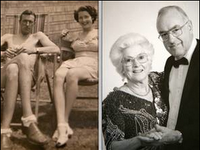 Have you ever noticed that when half of a longtime couple passes away, the other partner passes soon after? Researchers at the University of Glasgow found that widows and widowers were at least 30 percent more likely to die of any cause in the first six months following a spouse's death than those who hadn't lost a partner. They followed over 4,000 couples. Many experts in this article from MSNBC say that context matters, meaning older couples with deteriorating health are at higher risk. More amazing is what Rollin McCraty, research director at the Institute of HeartMath in Boulder Creek, Calif., found after he studied six longtime couples' hearts while they slept. While they were sleeping beside each other their heart rhythms fell into sync, rising and falling at the same time. Their EKG printouts looked virtually identical. So imagine sleeping in perfect harmony with your spouse for 50 years and having that ripped away. "Is it possible to die of a broken heart?" asks Dr. Hope Wechkin, the medical director of Evergreen Hospice in Kirkland, Wash. "Absolutely." Labels: health, real people, romance, study
Dying of a Broken Heart
Have you ever noticed that when half of a longtime couple passes away, the other partner passes soon after? Researchers at the University of Glasgow found that widows and widowers were at least 30 percent more likely to die of any cause in the first six months following a spouse's death than those who hadn't lost a partner. They followed over 4,000 couples. Many experts in this article from MSNBC say that context matters, meaning older couples with deteriorating health are at higher risk. More amazing is what Rollin McCraty, research director at the Institute of HeartMath in Boulder Creek, Calif., found after he studied six longtime couples' hearts while they slept. While they were sleeping beside each other their heart rhythms fell into sync, rising and falling at the same time. Their EKG printouts looked virtually identical. So imagine sleeping in perfect harmony with your spouse for 50 years and having that ripped away. "Is it possible to die of a broken heart?" asks Dr. Hope Wechkin, the medical director of Evergreen Hospice in Kirkland, Wash. "Absolutely." Labels: health, real people, romance, study
Dying of a Broken Heart
Have you ever noticed that when half of a longtime couple passes away, the other partner passes soon after? Researchers at the University of Glasgow found that widows and widowers were at least 30 percent more likely to die of any cause in the first six months following a spouse's death than those who hadn't lost a partner. They followed over 4,000 couples. Many experts in this article from MSNBC say that context matters, meaning older couples with deteriorating health are at higher risk. More amazing is what Rollin McCraty, research director at the Institute of HeartMath in Boulder Creek, Calif., found after he studied six longtime couples' hearts while they slept. While they were sleeping beside each other their heart rhythms fell into sync, rising and falling at the same time. Their EKG printouts looked virtually identical. So imagine sleeping in perfect harmony with your spouse for 50 years and having that ripped away. "Is it possible to die of a broken heart?" asks Dr. Hope Wechkin, the medical director of Evergreen Hospice in Kirkland, Wash. "Absolutely." Labels: health, real people, romance, study
Contradictory Marriage Satisfaction Survey
 Parade magazine released a marriage survey of 1,001 married Americans aged 18 and over. The results showed 88 percent of participants reported being either happy or reasonably content in their marriages. Seventy percent of men say they never think about leaving their wife. What's surprising is that 19 percent of men said they'd had sex outside the marriage. Eleven percent of women also admitted to cheating. So what keeps married people together? According to the survey, 71 percent of couples said they've stayed married because of deep love while 73 percent cited companionship. To read all the results, click here. Labels: men, sex, study, women
Contradictory Marriage Satisfaction Survey
Parade magazine released a marriage survey of 1,001 married Americans aged 18 and over. The results showed 88 percent of participants reported being either happy or reasonably content in their marriages. Seventy percent of men say they never think about leaving their wife. What's surprising is that 19 percent of men said they'd had sex outside the marriage. Eleven percent of women also admitted to cheating. So what keeps married people together? According to the survey, 71 percent of couples said they've stayed married because of deep love while 73 percent cited companionship. To read all the results, click here. Labels: men, sex, study, women
Contradictory Marriage Satisfaction Survey
Parade magazine released a marriage survey of 1,001 married Americans aged 18 and over. The results showed 88 percent of participants reported being either happy or reasonably content in their marriages. Seventy percent of men say they never think about leaving their wife. What's surprising is that 19 percent of men said they'd had sex outside the marriage. Eleven percent of women also admitted to cheating. So what keeps married people together? According to the survey, 71 percent of couples said they've stayed married because of deep love while 73 percent cited companionship. To read all the results, click here. Labels: men, sex, study, women
Secret to Happy Marriage: 4 Hugs a Day
 A study, which this article from the Telegraph doesn't say from where, says four hugs a day is a key to a happy marriage. The study interviewed 4,000 couples and also found many other secrets. Like the four hugs, many are surprisingly specific. For example, seven evenings in together every month with two proper dinner dates. Another is two romantic walks a month and at least one visit to a pub or cinema without the children or other friends. Other highlights from the study are: - Husbands should give their wife flowers or another gift at least once a month - People to spend at least one evening away from their partner a month What's the secret to your happy marriage? Labels: advice, date night, real people, romance, study
Secret to Happy Marriage: 4 Hugs a Day
A study, which this article from the Telegraph doesn't say from where, says four hugs a day is a key to a happy marriage. The study interviewed 4,000 couples and also found many other secrets. Like the four hugs, many are surprisingly specific. For example, seven evenings in together every month with two proper dinner dates. Another is two romantic walks a month and at least one visit to a pub or cinema without the children or other friends. Other highlights from the study are: - Husbands should give their wife flowers or another gift at least once a month - People to spend at least one evening away from their partner a month What's the secret to your happy marriage? Labels: advice, date night, real people, romance, study
Secret to Happy Marriage: 4 Hugs a Day
A study, which this article from the Telegraph doesn't say from where, says four hugs a day is a key to a happy marriage. The study interviewed 4,000 couples and also found many other secrets. Like the four hugs, many are surprisingly specific. For example, seven evenings in together every month with two proper dinner dates. Another is two romantic walks a month and at least one visit to a pub or cinema without the children or other friends. Other highlights from the study are: - Husbands should give their wife flowers or another gift at least once a month - People to spend at least one evening away from their partner a month What's the secret to your happy marriage? Labels: advice, date night, real people, romance, study
Women Rule the Home
 A new study from the Pew Research Center A new study from the Pew Research Center found that when it comes to the home, women are in control and that's fine by men. When it comes to planning weekend activities, household finances, major home purchases and TV watching, women not men are the ones pulling the strings--making 43 percent of the decisions. That's more than double who said the man makes the decision (26 percent). The other 31 percent said the decisions we equally divided. In the scenario where women make the decision, men don't have the final say and say they either consult or just defer to what the woman wants. What's interesting is that older couples who were surveyed said they were more likely to share in the decision-making process than their younger counterparts. Who makes the decisions in your home? Labels: money, study, women
Women Rule the Home
A new study from the Pew Research Center found that when it comes to the home, women are in control and that's fine by men. When it comes to planning weekend activities, household finances, major home purchases and TV watching, women not men are the ones pulling the strings--making 43 percent of the decisions. That's more than double who said the man makes the decision (26 percent). The other 31 percent said the decisions we equally divided. In the scenario where women make the decision, men don't have the final say and say they either consult or just defer to what the woman wants. What's interesting is that older couples who were surveyed said they were more likely to share in the decision-making process than their younger counterparts. Who makes the decisions in your home? Labels: money, study, women
Women Rule the Home
A new study from the Pew Research Center found that when it comes to the home, women are in control and that's fine by men. When it comes to planning weekend activities, household finances, major home purchases and TV watching, women not men are the ones pulling the strings--making 43 percent of the decisions. That's more than double who said the man makes the decision (26 percent). The other 31 percent said the decisions we equally divided. In the scenario where women make the decision, men don't have the final say and say they either consult or just defer to what the woman wants. What's interesting is that older couples who were surveyed said they were more likely to share in the decision-making process than their younger counterparts. Who makes the decisions in your home? Labels: money, study, women
Stop the Wandering Eye
 New research by Florida State University reveals that men and women have less temptation when their significant other is on their mind. This could be as simple as a phone call made when your husband is out with the boys or a text when your wife is out dancing with her friends. One of the study's authors, Gian Gonzaga says "This must be very deeply ingrained in us, because it happens so quickly, and we can't consciously control it. The findings show that both sexes can curb the urge to cheat by thinking about their significant others." Another study by UCLA showed that men and women just thinking about their mate curbs their attention toward the opposite sex. So go ahead and let your spouse have fun with their friends, just remind them before they leave or while they're out that you love them. Do you have any rules about your spouse going out? Labels: advice, men, study, women
Stop the Wandering Eye
New research by Florida State University reveals that men and women have less temptation when their significant other is on their mind. This could be as simple as a phone call made when your husband is out with the boys or a text when your wife is out dancing with her friends. One of the study's authors, Gian Gonzaga says "This must be very deeply ingrained in us, because it happens so quickly, and we can't consciously control it. The findings show that both sexes can curb the urge to cheat by thinking about their significant others." Another study by UCLA showed that men and women just thinking about their mate curbs their attention toward the opposite sex. So go ahead and let your spouse have fun with their friends, just remind them before they leave or while they're out that you love them. Do you have any rules about your spouse going out? Labels: advice, men, study, women
Stop the Wandering Eye
New research by Florida State University reveals that men and women have less temptation when their significant other is on their mind. This could be as simple as a phone call made when your husband is out with the boys or a text when your wife is out dancing with her friends. One of the study's authors, Gian Gonzaga says "This must be very deeply ingrained in us, because it happens so quickly, and we can't consciously control it. The findings show that both sexes can curb the urge to cheat by thinking about their significant others." Another study by UCLA showed that men and women just thinking about their mate curbs their attention toward the opposite sex. So go ahead and let your spouse have fun with their friends, just remind them before they leave or while they're out that you love them. Do you have any rules about your spouse going out? Labels: advice, men, study, women
Did Your Nose Pick Your Spouse?
 New research suggests that it might have been your nose, not your heart that first attracted you to your husband or wife. Researchers at Switzerland's University of Lausanne have noticed a connection between scent and picking a mate. They've observed mice, rats, sand lizards and fish pick mates with immune system genes unlike their own based on scent. This would then produce offspring that had stronger immune systems than their own. Similar tests have been conducted with humans with women picking based on sweaty t-shirts. The results were similar. It's not cut and dry however. Social influences, for example, can override this natural impulse to follow your nose. More studies are sure to follow. To read the entire article, click here. Labels: health, men, study, women
Did Your Nose Pick Your Spouse?
New research suggests that it might have been your nose, not your heart that first attracted you to your husband or wife. Researchers at Switzerland's University of Lausanne have noticed a connection between scent and picking a mate. They've observed mice, rats, sand lizards and fish pick mates with immune system genes unlike their own based on scent. This would then produce offspring that had stronger immune systems than their own. Similar tests have been conducted with humans with women picking based on sweaty t-shirts. The results were similar. It's not cut and dry however. Social influences, for example, can override this natural impulse to follow your nose. More studies are sure to follow. To read the entire article, click here. Labels: health, men, study, women
Did Your Nose Pick Your Spouse?
New research suggests that it might have been your nose, not your heart that first attracted you to your husband or wife. Researchers at Switzerland's University of Lausanne have noticed a connection between scent and picking a mate. They've observed mice, rats, sand lizards and fish pick mates with immune system genes unlike their own based on scent. This would then produce offspring that had stronger immune systems than their own. Similar tests have been conducted with humans with women picking based on sweaty t-shirts. The results were similar. It's not cut and dry however. Social influences, for example, can override this natural impulse to follow your nose. More studies are sure to follow. To read the entire article, click here. Labels: health, men, study, women
Married, But Not Sleeping Together
 CNN posted an article CNN posted an article on couples who are married, but don't sleep together. Why would a married couple not sleep together? Try this one. "We were lying in bed spooning when he had an elbow spasm and punched me in the jaw," says Barbara, a 55-year-old graphic designer from Lansing, Michigan, who asked that her last name not be used. A 2001 survey by the National Sleep Foundation found that 12 percent of married Americans slept alone; in 2005 that number had jumped to 23 percent. In March, the Sleep Council of England found that 1 in 4 people regularly retreats to a spare room or sofa to get a good night's sleep. Other reasons include snoring and leg jerking or a heavy twitcher. Some experts aren't so sure sleeping separately is a good idea. "My feeling is that sleeping together is a very, very important part of being integrated with each other," says clinical psychologist and marriage counselor William F. Harley Jr. Others think this is the new way of marriage, citing that when they're better rested, they are a better spouse and parent. What do you think? Is sleeping in separate beds or rooms bad for marriage? Do you do this? Labels: commentary, study
Married, But Not Sleeping Together
CNN posted an article on couples who are married, but don't sleep together. Why would a married couple not sleep together? Try this one. "We were lying in bed spooning when he had an elbow spasm and punched me in the jaw," says Barbara, a 55-year-old graphic designer from Lansing, Michigan, who asked that her last name not be used. A 2001 survey by the National Sleep Foundation found that 12 percent of married Americans slept alone; in 2005 that number had jumped to 23 percent. In March, the Sleep Council of England found that 1 in 4 people regularly retreats to a spare room or sofa to get a good night's sleep. Other reasons include snoring and leg jerking or a heavy twitcher. Some experts aren't so sure sleeping separately is a good idea. "My feeling is that sleeping together is a very, very important part of being integrated with each other," says clinical psychologist and marriage counselor William F. Harley Jr. Others think this is the new way of marriage, citing that when they're better rested, they are a better spouse and parent. What do you think? Is sleeping in separate beds or rooms bad for marriage? Do you do this? Labels: commentary, study
Married, But Not Sleeping Together
CNN posted an article on couples who are married, but don't sleep together. Why would a married couple not sleep together? Try this one. "We were lying in bed spooning when he had an elbow spasm and punched me in the jaw," says Barbara, a 55-year-old graphic designer from Lansing, Michigan, who asked that her last name not be used. A 2001 survey by the National Sleep Foundation found that 12 percent of married Americans slept alone; in 2005 that number had jumped to 23 percent. In March, the Sleep Council of England found that 1 in 4 people regularly retreats to a spare room or sofa to get a good night's sleep. Other reasons include snoring and leg jerking or a heavy twitcher. Some experts aren't so sure sleeping separately is a good idea. "My feeling is that sleeping together is a very, very important part of being integrated with each other," says clinical psychologist and marriage counselor William F. Harley Jr. Others think this is the new way of marriage, citing that when they're better rested, they are a better spouse and parent. What do you think? Is sleeping in separate beds or rooms bad for marriage? Do you do this? Labels: commentary, study
Do You Pay Your Kids for Good Grades?
 USA Today USA Today interviewed several CEOs asking them their thoughts on giving their kids cash for grades and whether or not they thought it was a good idea. In the end, the majority of CEOs interviewed did think it was a good idea while half actually did pay their kids for good grades. In contrast, only 15% of 450 high school principals surveyed thought paying for grades was a good idea. CEOs see pay for performance as more art than science, much like keeping employees motivated to do good work. What are your thoughts? Do you pay your kids for grades? Are there any teachers out there? What are your thoughts on this subject? Labels: kids, money, study, work
Do You Pay Your Kids for Good Grades?
USA Today interviewed several CEOs asking them their thoughts on giving their kids cash for grades and whether or not they thought it was a good idea. In the end, the majority of CEOs interviewed did think it was a good idea while half actually did pay their kids for good grades. In contrast, only 15% of 450 high school principals surveyed thought paying for grades was a good idea. CEOs see pay for performance as more art than science, much like keeping employees motivated to do good work. What are your thoughts? Do you pay your kids for grades? Are there any teachers out there? What are your thoughts on this subject? Labels: kids, money, study, work
|
 |
|
|


